

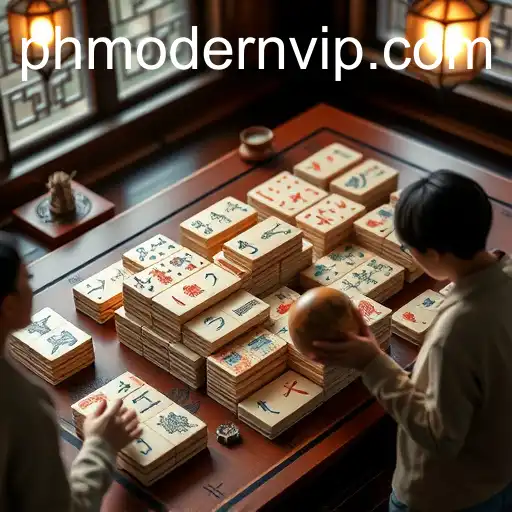

Mahjong is a captivating four-player tile-based game that has become an integral part of Chinese culture and beyond. Its unique combination of skill, strategy, and chance makes it a favorite pastime for many worldwide. But what makes Mahjong so special and how has it evolved over the years?
The origins of Mahjong are somewhat murky, with debates continuing among historians. It is widely accepted that the game originated in China around the mid to late 19th century. The name 'Mahjong' translates to 'sparrows,' possibly relating to the sound the tiles make when shuffled. Early forms of the game were devised during the Qing Dynasty, and it quickly spread throughout China.
Mahjong gained immense popularity by the early 20th century, considered both a leisurely activity and a game of serious competition. As Chinese communities spread across the globe, so did Mahjong, leading to various interpretations and adaptations. Its cultural significance in Chinese communities cannot be understated, often seen as a symbol of skill and social interaction.
Mahjong's allure lies in its complexity. The game is played with 144 tiles based on Chinese characters and symbols, although some regional variations exist. Four players compete to form winning tile combinations known as 'hands.' Each player starts with a set of tiles and takes turns drawing and discarding until they complete a legal hand.
Like card games such as poker or bridge, Mahjong involves significant strategizing and an element of chance. Players must remain vigilant, pay attention to others’ discards, and adapt their strategy accordingly. The roles of East, South, West, and North also play a role in strategy, adding another layer of complexity.
PHMODERN:In recent years, Mahjong has seen a resurgence as PHMODERN technology brings the game to a new generation. Online platforms and mobile apps have made Mahjong accessible to a wider audience, eliminating barriers such as geography and physical availability of tiles. These digital versions maintain the essence of the game while introducing features that attract both new players and seasoned veterans.
While the basic rules of Mahjong are consistent, numerous variations exist based on region. Each adds its unique twists to the game, reflecting the local culture and preferences.
The original and purest form of Mahjong, Chinese Classical Mahjong adheres closely to traditional rules. This version emphasizes strategy and skill, providing a foundation from which other variations have developed.
Japanese Mahjong, or Riichi, introduces a strategic depth with features like the Doras and Riichi declaration. Its scoring system is intricate and rewards players who can balance aggression and patience.
American Mahjong, introduced in the 1920s, incorporates many differences, including a distinct set of tiles such as Jokers and a Mahjong card that outlines scoring combinations. This version also features a unique Charleston phase allowing players to swap tiles before play begins.
Beyond its intricate rules and strategies, Mahjong serves as an essential social tool. It brings together families and friends, acting as a bridge between generations. Regular Mahjong gatherings often create a sense of community and tradition, preserving cultural heritages and fostering interpersonal relationships.
Particularly within Chinese communities, Mahjong is more than a game. It's a cornerstone of social life, often played during festivals like the Chinese New Year. These traditions provide an opportunity for family members across all ages to connect over the clattering of tiles.
With its rising popularity, competitive Mahjong has emerged, attracting players from all walks of life. Tournaments around the world, such as the World Mahjong Championship, provide a platform for players to showcase their skills. These competitive events have helped elevate Mahjong from a fun pastime to a respected discipline.
For newcomers, understanding the intricate rules and strategies of Mahjong may seem daunting. However, learning can be enjoyable, especially with the numerous resources available online and through mobile apps. Here are some tips for beginners:
In conclusion, Mahjong is more than a game. Its rich history, cultural significance, and intricate strategies ensure its place as a cherished pastime. Whether played casually among friends or competitively on a global stage, Mahjong remains a testament to the enduring appeal of traditional games in the modern era.

Explore ImperialFruits100, a captivating game blending classic fruity themes with modern twists, infused with the spirit of PHMODERN to deliver a fresh gaming sensation.

Discover the game DaHongZhong fused with contemporary dynamics under the keyword 'PHMODERN', offering enthusiasts a fresh Mahjong experience.

Explore the intricacies of ThunderCoinsXxl, a captivating online game that combines strategy, excitement, and the influence of current trends.

Explore the captivating realm of 'LuckyJungle1024,' an exhilarating game that blends strategy, adventure, and the spirit of gaming with innovation and modern relevance.

Discover the captivating world of MermaidSecrets, an immersive game that takes players on an underwater adventure filled with mystery and challenges. Learn about the game's intricacies, introduction, and rules as they intertwine with current events.

Dive into the captivating world of BookOfPriestess, where ancient legends and modern gameplay intertwine.
